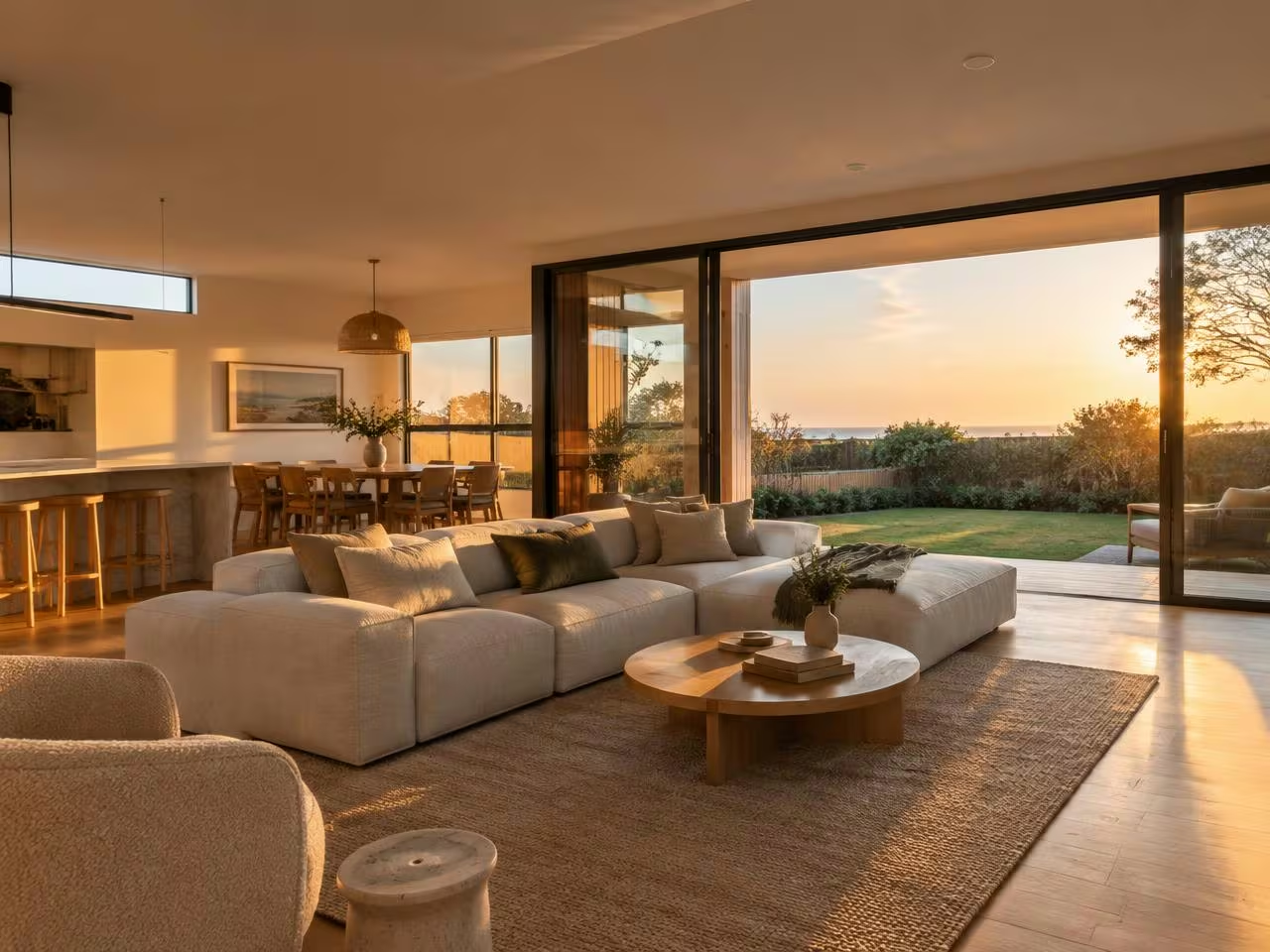
You're not buying a house. You're choosing who builds it.
Drawings and finishes matter. So does the person who prices the work, the person who runs the site and the way they handle a problem. Choosing a builder means choosing that working relationship, not just a set of photographs.
If you are researching how to choose a builder Melbourne homeowners can trust with a high-end home or renovation, start with clear questions. Our explanation of why Lambert York sets out our owner-led approach, but ask the same questions of every builder you consider. The answers should be specific, verifiable and relevant to your project.
There is no single badge or headline that identifies the best luxury builders Melbourne has to offer. Check the registration, insurance, scope and people together. A good builder will explain the limits of what they know, not promise certainty before they have investigated the job.
1. Are you registered with the VBA?
Why it matters: registration is a basic check, not something to infer from a logo. The Victorian regulator is now the Building and Plumbing Commission; its public practitioner register includes the service formerly associated with the VBA. Match the legal name, number, category and current status to the proposed contract.
What a good answer sounds like: here are our registration details, here is how to verify them, and this is the category relevant to your work. Lambert York's registrations are CDB-U 68183 and CCB-U 68182. Check the actual contracting person or entity rather than accepting a number copied from someone else's paperwork.
2. How much warranty insurance do you carry — and what's your facility?
Why it matters: a builder's approved facility and your project's insurance are different things. The facility concerns capacity under the insurer's arrangements. It does not prove that cover has been issued for your address, and it is not your individual payout limit. Our builder warranty insurance article explains the difference in detail.
What a good answer sounds like: the builder explains both, supplies the relevant documents and welcomes verification. Lambert York carries a $20M facility; our warranty guide explains the distinction. Where domestic building insurance is required, verify the project-specific certificate before paying a deposit or another amount. Check the owner, address, builder and contract particulars, not just the headline number.
3. Who will I actually be talking to during the build?
Why it matters: the person who wins your confidence at the first meeting may not be the person responsible for delivery. Ask who handles pricing, site decisions, updates and changes. You should know where a question goes and who can give an accountable answer.
What a good answer sounds like: clear names, responsibilities and an agreed way to communicate. At Lambert York, you have an owner on the line. Pat handles quotes, pricing, contracts and client contact. David runs the site, trades, programme and build quality, with weekly build updates. Both stand behind the work; their roles are clear rather than interchangeable.
4. Can I see projects like mine — and speak to those clients?
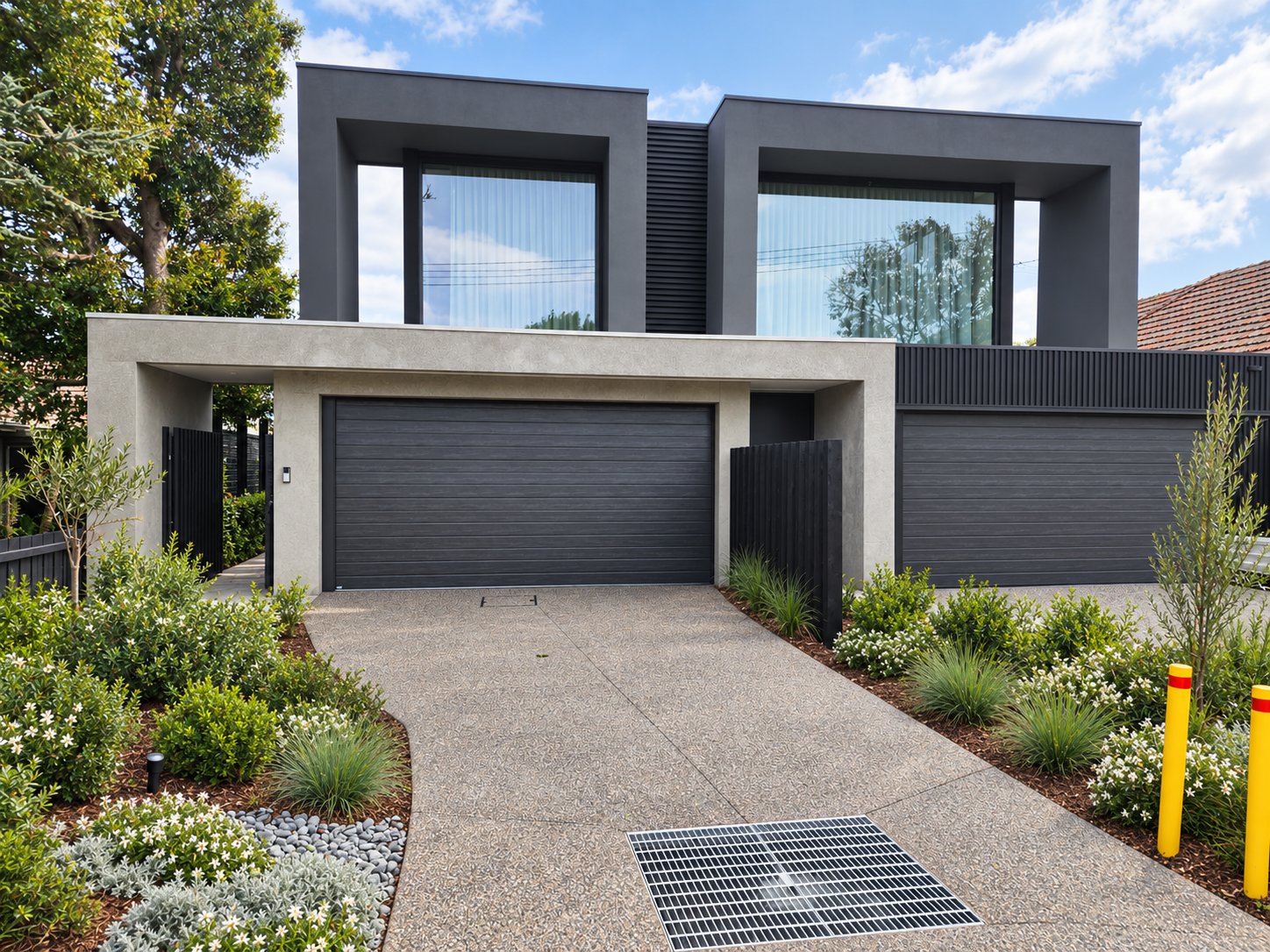
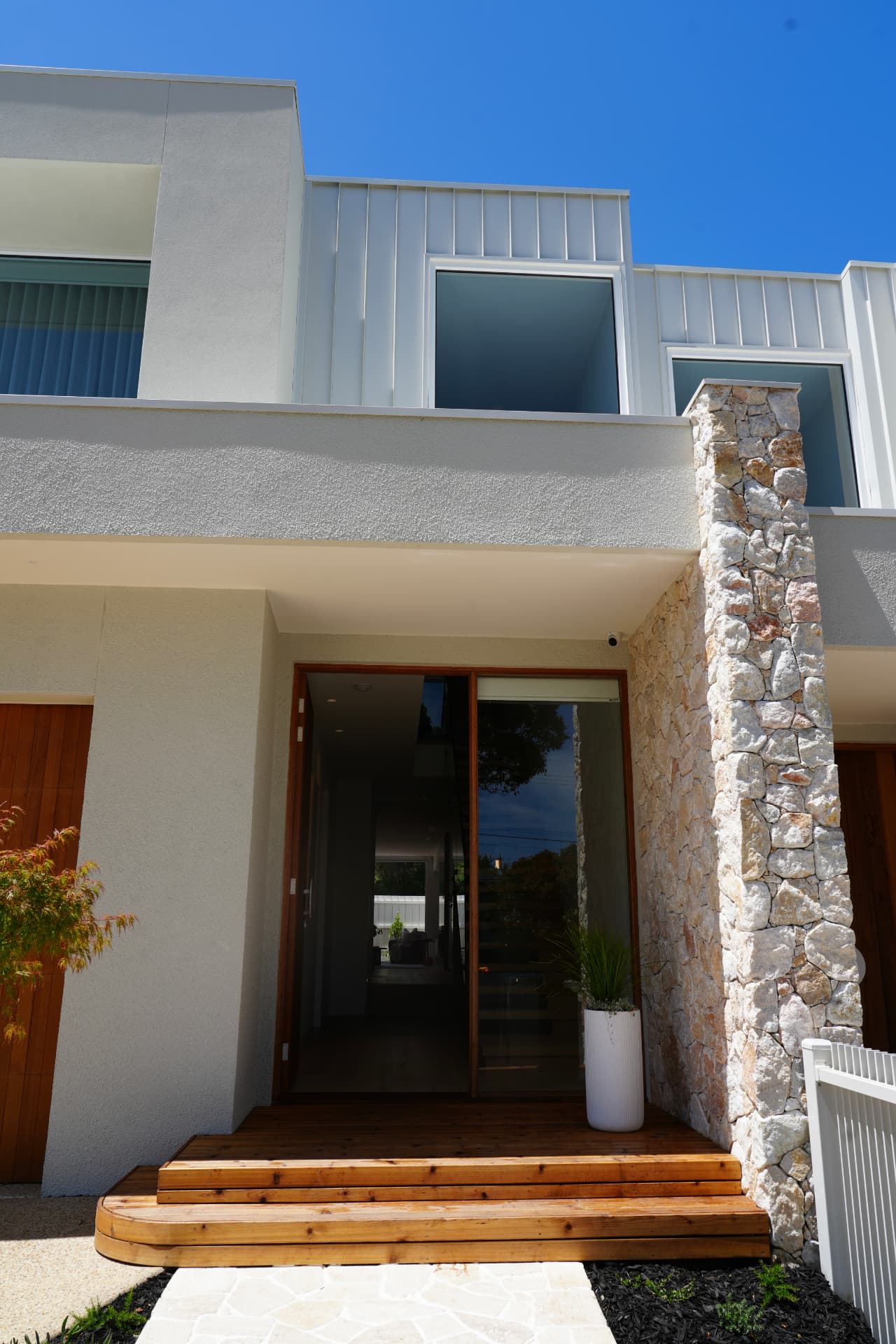
Why it matters: a beautiful new home does not automatically demonstrate experience with an occupied renovation or a complicated connection to an old house. Ask for relevant work, not simply the most impressive photograph. Understand what that builder actually delivered on the project. For townhouse developments, ask about the proposed dwelling count, shared services and delivery sequence rather than assuming a detached-home example proves the same scope.
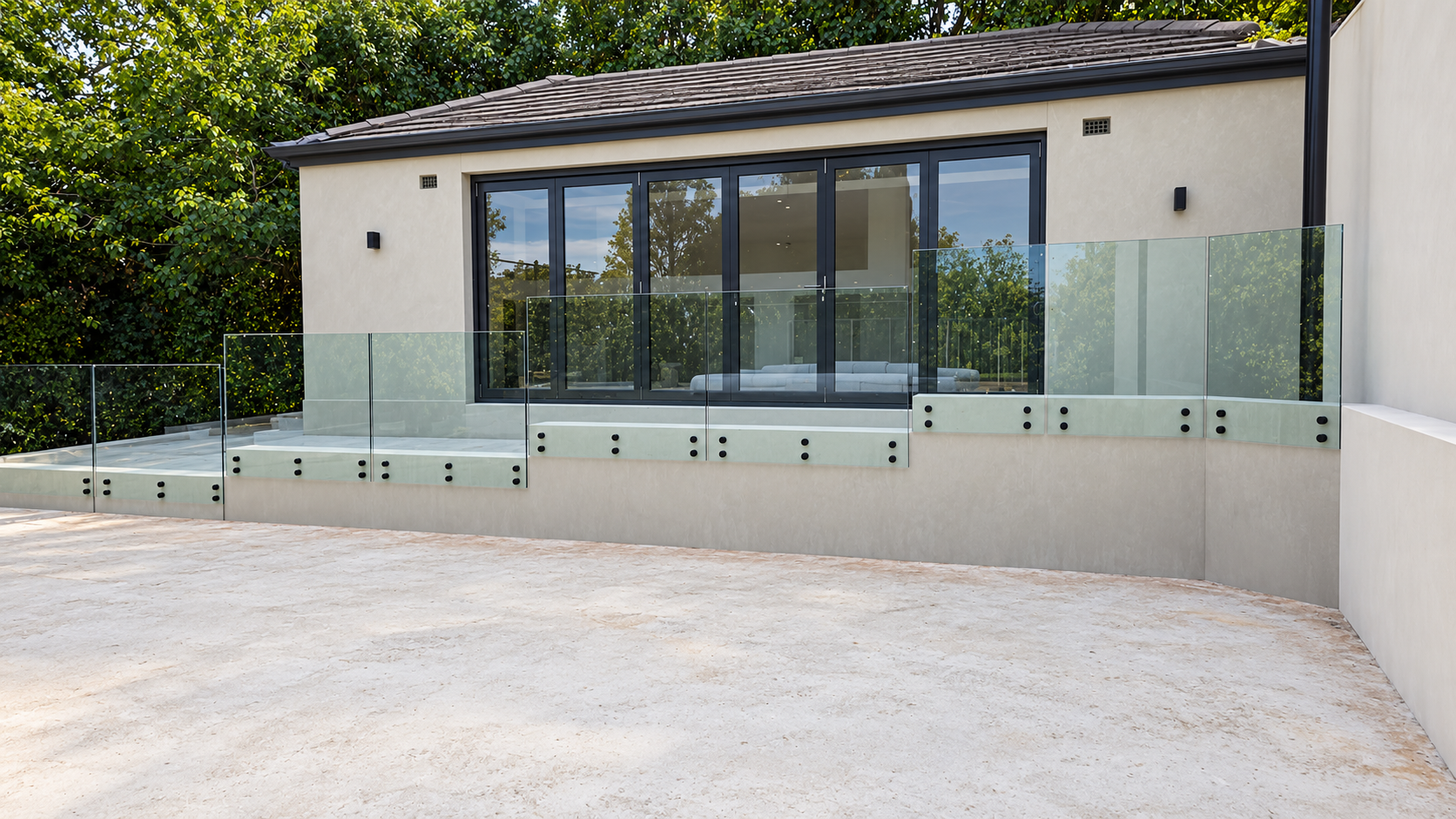
What a good answer sounds like: suitable examples, a clear explanation of the scope and client references where consent has been obtained. Look through our projects, then ask Pat which are relevant to your brief. Our About page gives context on the people behind the work. When speaking to a reference, ask about communication, changes and aftercare as well as the finished appearance.
5. Is your quote a fixed price with a defined scope?
Why it matters: fixed price is useful only when you understand the agreed work. An incomplete scope can hide behind a firm-looking total. Check drawings, specifications, inclusions, exclusions and allowances against what you expect to receive. Our renovation mistakes guide shows how incomplete scope turns an attractive quote into a moving target.
What a good answer sounds like: the builder can show what is priced, what remains provisional and what sits outside the contract. Our process puts scope and selections before contract. Fixed price does not mean every change or unforeseen condition is free. It means the agreed work has a price, with the contract explaining how other circumstances are handled. Read it before signing.
6. How do you handle variations?
Why it matters: changes can affect materials, completed work, approvals and the sequence of trades. A casual yes on site can become a disputed bill if nobody records what was requested or approved. Choosing a renovation builder makes this especially important where existing conditions may need investigation.
What a good answer sounds like: a documented process for explaining the change, its cost and any programme effect before the work changes, with approval recorded in writing. Ask who prepares the variation and who is authorised to approve it. Distinguish an owner-requested upgrade from necessary work arising from a genuine unknown. Either way, you need a clear record.
7. What's your realistic timeline, and how do you report progress?
Why it matters: a date without assumptions is not much of a programme. Design, approvals and procurement need time before construction. Weather, changes and delayed decisions can affect the build. Ask where the quoted timeline starts and finishes.
What a good answer sounds like: a project-specific sequence, decision dates and a clear update routine. Lambert York establishes the programme before contract, and David provides weekly build updates. Ask what happens when something slips, what can continue and how the completion forecast is revised. A realistic answer explains dependencies and risks rather than guaranteeing that nothing outside the builder's control will happen.
8. Who are your trades, and how long have you worked with them?
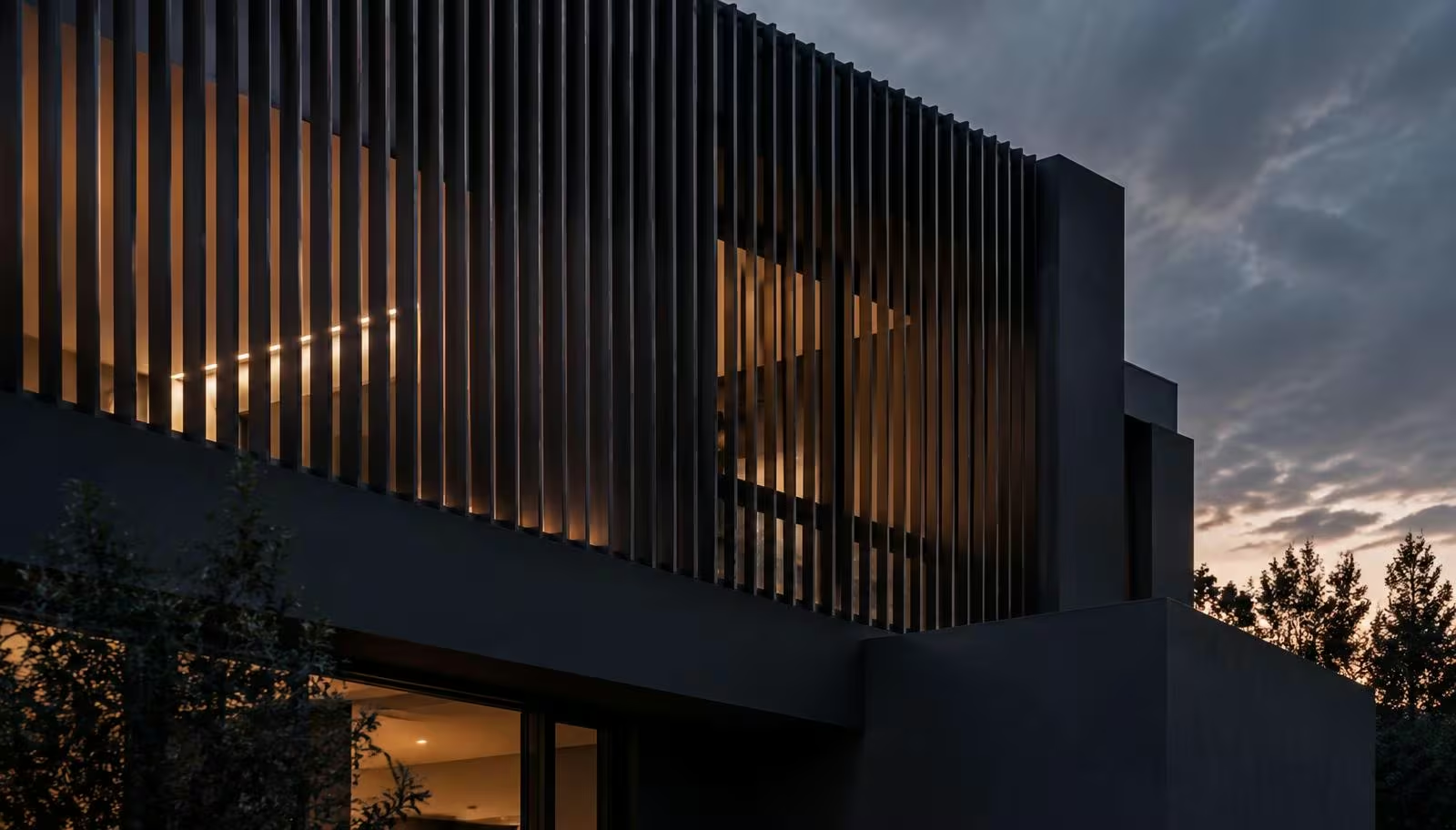
Why it matters: the finish depends on the people doing the work and how they are coordinated. Experience with the relevant materials, details and site conditions matters more than a vague claim that everyone is the best.
What a good answer sounds like: the builder explains who will undertake key work, their relevant qualifications and how quality is checked. Ask about working relationships, availability and what happens if a trade changes. At Lambert York, David coordinates trades and build quality. Ask him and Pat for project-specific information; do not accept invented tenure figures or assume a long relationship replaces supervision and clear standards.
9. What industry memberships do you hold?
Why it matters: a current membership can provide context about a business, but it is not registration, project insurance or proof of good workmanship. Do not let a badge replace the checks in the earlier questions. A builder without a particular membership is not automatically unsuitable.
What a good answer sounds like: an accurate statement of current memberships, if any, with no implication that they guarantee your project. Verify any claim directly with the relevant organisation. We are not presenting unconfirmed memberships for Lambert York. Judge the business on its verified registrations, insurance documents, relevant work, contract and accountable delivery, not an association logo that has not been checked.
10. What happens after handover?
Why it matters: handing over keys does not answer how outstanding items, operating instructions or later concerns will be handled. You need a practical contact process and the relevant completion documents, manuals and warranties. Building obligations and insurance are not interchangeable.
What a good answer sounds like: a walkthrough, a recorded list of items requiring attention, clear responsibility for closing them and an agreed aftercare process. Ask how to report a concern and what information to provide. Keep the documents yourself. Both Lambert York owners stand behind the guarantee and warranty; ask Pat to explain the arrangements applicable to your contract rather than relying on a broad slogan.
Red flags to walk away from
A question needing further investigation is not a red flag by itself. Refusing to explain, verify or document the answer is different. Slow down if you encounter any of these:
- Pressure to pay before required project-specific insurance has been arranged and verified.
- Registration details that do not match the contracting person or entity, or cannot be verified.
- A quote with substantial missing work, unexplained allowances or unclear exclusions.
- Promises that every change is included or every approval is guaranteed.
- No clear person responsible for site delivery, updates and written approvals.
- Reluctance to provide relevant project information or discuss the aftercare process.
Ask us all 10
Bring these questions to Pat, along with your plans, priorities and total budget. Ask for the evidence behind the answers and make the same checks on us that you would on another builder. You should understand the scope and the working relationship before you sign.
Talk to Pat about your project. The aim is not to find a builder who says yes to everything. It is to find one who answers clearly, identifies what still needs investigation and takes responsibility for the work they agree to deliver.
Questions answered
How do I check if a builder is registered in Victoria?+
Use the Building and Plumbing Commission's public practitioner register, including the former VBA register service. Match the legal name, registration number, category and current status against the proposed contract, and verify the registration covers your work.
What should a builder's quote include?+
A defined scope linked to the drawings and specifications, clear inclusions and exclusions, realistic allowances and an explanation of what sits outside the price. Ask about variations, programme assumptions and required documentation before signing; the total alone is not enough.
How many builder quotes should I get?+
Two or three comparable quotes can be a useful starting point, but the quality of the comparison matters more than the count. Give suitable builders the same information, check their relevant experience and ask them to explain differences in scope or allowances.
What are red flags when choosing a builder?+
Unverifiable registration, pressure to pay before required insurance is in place, unclear scope, undocumented changes and no accountable delivery contact are serious concerns. Do not confuse an honest request for investigation with avoidance; look for clear explanations and evidence.